
Are Stairlifts Covered by Insurance or Medicare?
The Question Almost Every Family Asks
The conversation often begins quietly. Someone pauses at the bottom of the stairs and hesitates longer than usual. A trip upstairs feels heavier than it once did, or a caregiver begins worrying about the risk of a fall when no one else is home. Eventually, the idea of installing a stairlift enters the discussion.
Then comes the question nearly everyone asks first.
Will insurance or Medicare pay for this?
It is a reasonable question. Stairlifts are not luxury items. They are tools that help people remain safely in homes filled with memories, routines, and independence. Families naturally hope that healthcare systems designed to support wellbeing will help cover the cost.
The answer, however, is more nuanced than many expect. Understanding how coverage works requires stepping into the intersection between healthcare policy, home modification funding, and long-term independence planning.
Why Stairlifts Are Different From Medical Equipment
To understand coverage decisions, it helps to look at how healthcare programs classify equipment.
Items such as wheelchairs, walkers, and hospital beds are typically considered durable medical equipment because they are directly related to medical treatment or physical mobility needs. These devices support bodily function regardless of where someone lives.
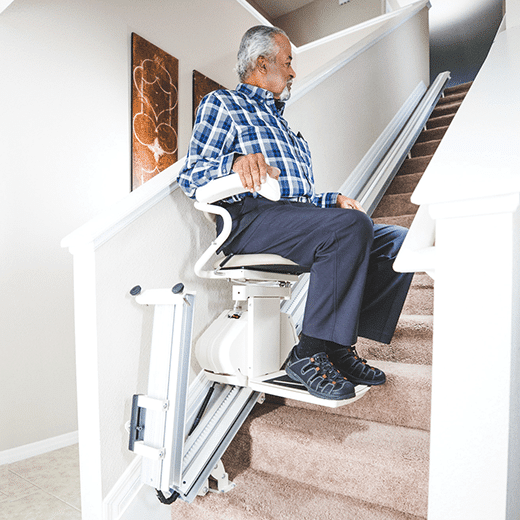
A stairlift, on the other hand, is considered a home modification. It is attached to the structure of a house rather than used independently of it. Healthcare programs often separate medical treatment from home improvement, even when the improvement clearly enhances safety.
This distinction explains why stairlifts occupy a unique category. They support mobility and reduce injury risk, yet they are not always defined as medically necessary equipment under traditional insurance rules.
Families often find this surprising because the benefit feels undeniably medical. Preventing falls, reducing strain, and allowing safe access to essential spaces all contribute directly to health outcomes.
Medicare and Stairlift Coverage
Many homeowners first look to Medicare for assistance. Medicare provides valuable healthcare coverage for millions of Americans, but its rules regarding home accessibility modifications are specific.
Original Medicare typically does not cover stairlifts because they are categorized as structural home modifications rather than durable medical equipment. Even when a physician recommends a stairlift to reduce fall risk or support recovery, Medicare generally views installation as outside its standard benefit structure.
This does not mean Medicare offers no related support. Medicare may cover equipment that works alongside mobility solutions, such as mobility aids or rehabilitation services that improve movement within the home. However, the stairlift itself usually remains the homeowner’s responsibility.
Understanding this early helps families shift their planning mindset from relying on a single funding source to exploring broader assistance opportunities.
Medicare Advantage Plans and Possible Exceptions
Some individuals enrolled in Medicare Advantage plans discover additional flexibility. These plans are administered by private insurance companies and sometimes include supplemental benefits not offered through Original Medicare.
In certain cases, Medicare Advantage programs may provide limited allowances for home safety modifications, wellness improvements, or accessibility upgrades. Coverage varies widely depending on the plan provider, region, and specific policy terms.
Families often succeed by contacting their plan administrator directly and asking detailed questions about home safety benefits. Even partial reimbursement or wellness stipends can contribute meaningfully toward stairlift costs.
The key is curiosity and persistence. Coverage may not appear obvious at first glance, but individual plan features sometimes open unexpected possibilities.
Private Health Insurance and Stairlifts
Private insurance coverage for stairlifts follows a similar pattern. Most standard health insurance policies do not automatically cover home modifications.
Insurance companies generally focus on treatment rather than environmental adaptation. A therapy program designed to improve mobility may be covered, while the structural changes that make daily life safer may not.
However, exceptions occasionally occur when stairlifts are linked to workers’ compensation claims, injury recovery settlements, or specific disability-related policies. When mobility limitations arise from documented injuries, insurers may consider accessibility equipment as part of rehabilitation planning.
Families navigating insurance claims often benefit from collaboration between physicians, occupational therapists, and accessibility specialists who can clearly document functional need.
Veterans Benefits and Accessibility Support
For veterans, financial assistance options may expand significantly. Programs administered through the U.S. Department of Veterans Affairs frequently provide grants designed specifically for home accessibility improvements.
Eligible veterans may qualify for housing adaptation grants that help fund stairlifts, ramps, and other modifications supporting independent living. These programs recognize that accessibility is not simply convenience but an essential component of long-term wellbeing.
Many families discover that veteran-focused programs provide some of the most comprehensive support available for home mobility upgrades.
Medicaid and State-Based Assistance Programs
Medicaid programs, administered at the state level, sometimes offer assistance for accessibility modifications depending on eligibility and local program structures.
Home and Community-Based Services waivers may include funding for modifications that help individuals remain safely at home rather than transitioning to institutional care. Because these programs vary by state, eligibility requirements and funding availability differ widely.
Families often describe Medicaid exploration as a journey requiring patience, paperwork, and persistence. Yet for qualifying individuals, the support can significantly reduce financial barriers.
Local aging agencies, disability resource centers, and social workers frequently help families navigate these programs successfully.
Long-Term Care Insurance and Accessibility Funding
Long-term care insurance policies occasionally provide reimbursement for home modifications when they support aging in place or prevent higher levels of care.
These policies are designed around maintaining independence and reducing institutional care costs. When stairlifts help someone remain safely at home, insurers may recognize their long-term value.
Reviewing policy details carefully is essential. Benefits vary widely, and coverage often depends on documented functional needs rather than diagnosis alone.
Families who already hold long-term care insurance sometimes discover benefits they did not realize existed.
Grants, Nonprofits, and Community Resources
Beyond insurance systems, many families find meaningful support through community-based programs.
Local nonprofits, disability advocacy organizations, and housing assistance initiatives occasionally offer grants or low-interest loans for accessibility improvements. Some communities provide aging-in-place programs focused on fall prevention and home safety.
These opportunities rarely appear in a single central directory. Instead, they emerge through conversations with local professionals, community centers, or accessibility providers familiar with regional resources.
The process resembles assembling a puzzle rather than finding a single solution. Small funding sources often combine to make installation achievable.
Flexible Financing and Payment Options
Because insurance coverage is limited, many accessibility providers offer financing options designed to make stairlifts more attainable.
Monthly payment plans allow families to install equipment immediately rather than postponing safety improvements while saving funds. For many households, spreading costs over time aligns better with real-life budgeting.
The emotional benefit of immediate safety often outweighs the desire to wait. Families frequently describe relief once the stairlift is installed, realizing the investment protects both independence and peace of mind.
Why Early Planning Matters
One of the most important lessons families share is the value of planning before a mobility crisis occurs.
Waiting until stairs become impossible can limit financial flexibility and increase stress. Exploring funding options early allows time to research programs, gather documentation, and compare solutions thoughtfully.
Early planning transforms the process from reactive decision-making into empowered preparation.
The True Cost of Waiting
When considering coverage, it is helpful to reframe the conversation. The question is not only whether insurance pays for a stairlift but also what the cost of inaction might be.
Falls are among the leading causes of injury at home. Hospital visits, rehabilitation stays, and temporary relocations often carry financial and emotional costs far exceeding the price of preventive accessibility solutions.
A stairlift represents proactive safety rather than reactive treatment. Many families ultimately view the investment as protection for both physical wellbeing and household stability.
A Shift Toward Independence-Focused Care
Healthcare systems are gradually recognizing the importance of supporting independence at home. While coverage structures continue evolving, the growing emphasis on aging in place and community living signals meaningful change.
Programs increasingly acknowledge that safe homes contribute directly to health outcomes. Accessibility solutions reduce injuries, ease caregiver strain, and promote emotional wellbeing.
Although stairlifts may not always fall neatly within traditional insurance categories, their value within modern care philosophies continues gaining recognition.
Conclusion
While Medicare and most insurance plans do not routinely cover stairlifts, families are far from without options. Veterans benefits, Medicaid waivers, long-term care policies, grants, financing programs, and community resources often work together to make installation possible.
The journey toward home accessibility is rarely about a single funding source. Instead, it is about understanding available pathways and choosing solutions that protect independence, safety, and dignity.
At KGC, accessibility planning begins with listening. Every home tells a different story, and every family’s mobility needs deserve a customized approach. The KGC team helps clients explore practical solutions, understand funding possibilities, and design stairlift systems that feel seamless within the home environment.
If you are exploring stairlift options or want guidance navigating financial assistance opportunities, connect with the team through the KGC Mobility Solutions Contact Page. A conversation today can help turn uncertainty into a clear path toward safer, more confident living at home.
