
ADA-Compliant Ramp Slope: What It Means and Why It Matters
Introduction
It started with a tape measure stretched across the front steps. Someone I care about crouched beside me, studying the distance from the porch to the ground. They had already accepted the need for a ramp. That part was clear. What remained unclear was how long it needed to be and why everyone kept mentioning slope.
It’s just a ramp, they said. Can’t we make it shorter?
That moment captures one of the most misunderstood aspects of accessibility design. A ramp may look simple, but its slope determines everything about how safe, comfortable, and usable it truly is. When a ramp is too steep, independence shrinks. Confidence disappears. Even strong users can feel unsafe. When the slope is correct, movement becomes smooth and predictable.
Understanding ADA compliant ramp slope is not about memorizing technical ratios. It is about understanding why those standards exist and how they protect dignity and mobility in everyday life. This article explores what compliant slope really means, why it matters deeply, and how thoughtful ramp design transforms the experience of entering and leaving home.
Why Slope Matters More Than Most People Realize
Slope is not just an angle. It is a physical relationship between effort and gravity. Every inch of rise demands energy to overcome. Every degree of steepness increases strain on muscles, joints, and balance.
A ramp that appears manageable when empty may feel completely different when pushing a wheelchair, using a walker, or supporting someone’s weight.
Slope directly influences independence. The right slope empowers movement. The wrong slope creates reliance or risk.
Understanding the Concept of ADA Compliance
The Americans with Disabilities Act established accessibility guidelines to ensure spaces are usable by everyone. Ramp slope standards were developed through research, real world testing, and lived experience.
Compliance does not exist to complicate construction. It exists to create environments where mobility equipment users can move safely and confidently.
These standards represent collective knowledge rather than arbitrary rules.
What ADA Slope Guidelines Represent
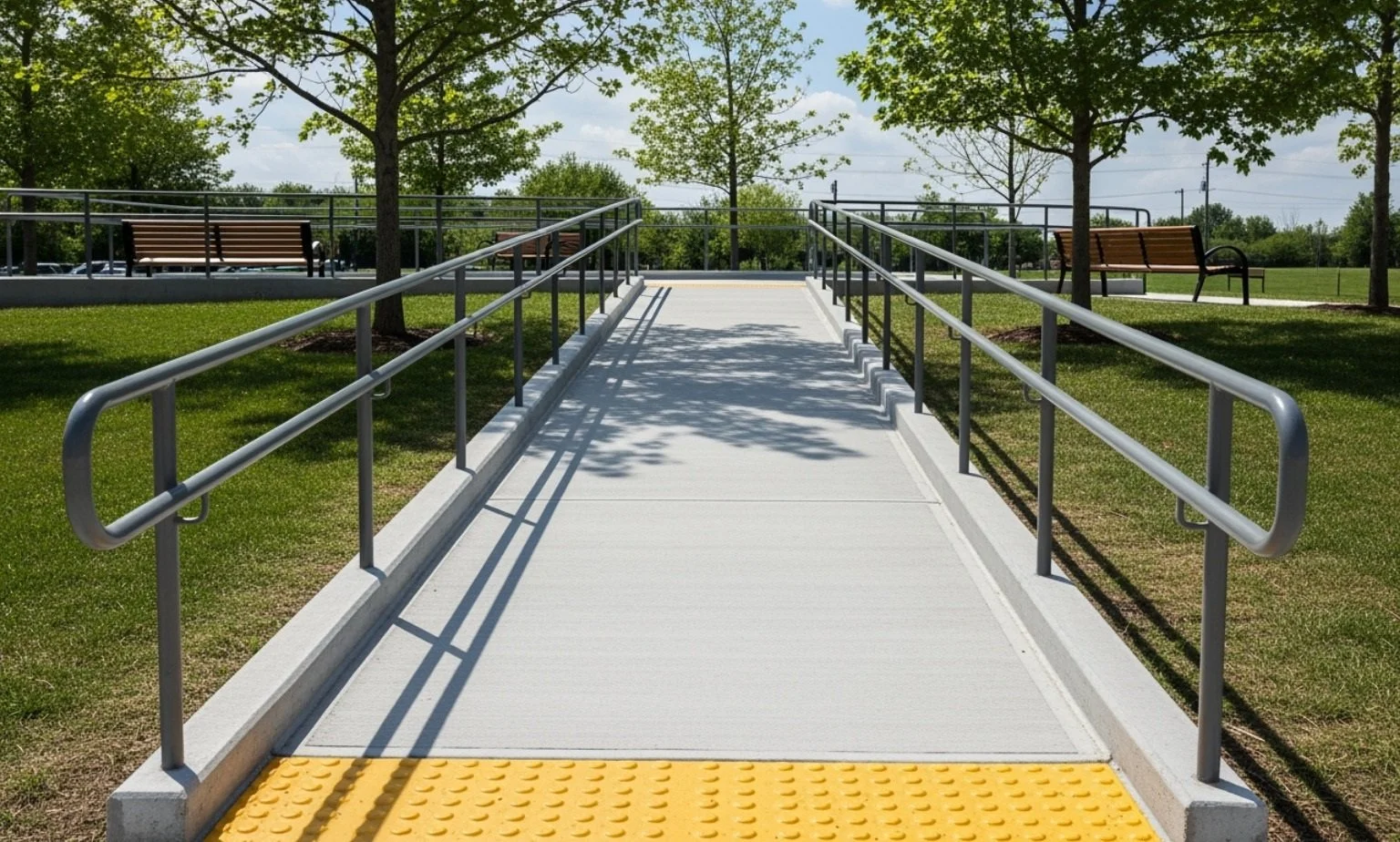
The commonly referenced guideline describes a ratio of one inch of rise for every twelve inches of ramp length. Rather than focusing on numbers alone, it helps to think of this as a philosophy.
The idea is gradual transition. Instead of forcing the body or equipment to fight gravity aggressively, the ramp eases elevation change gently.
This gentle approach protects strength, stability, and endurance.
Real Life Experience of Steep Versus Gentle Slopes
I once watched someone attempt to navigate a steep ramp built without guidance. They approached confidently but slowed midway, gripping the rails harder with each push. By the time they reached the top, exhaustion had replaced independence.
Later, they used a properly graded ramp elsewhere. The difference was immediate. Movement felt steady. Breathing remained calm. Confidence stayed intact.
Slope transforms experience more than appearance ever reveals.
Why Compliance Improves Safety
Gentle slopes reduce the likelihood of slipping, rolling backward, or losing balance. They provide time to adjust posture and correct movement.
Steep ramps accelerate gravity’s pull. Even experienced users can misjudge effort required, especially in wet or icy conditions.
Compliance reduces risk before it begins.
Supporting Caregivers and Companions
Ramp slope affects not only users but also caregivers. Assisting someone up a steep ramp places strain on joints and muscles.
A compliant slope allows helpers to maintain proper posture and avoid injury.
Accessibility design protects everyone involved.
Weather and Environmental Influence
Outdoor ramps interact with rain, snow, and debris. Gentle slopes allow water to drain gradually and provide better traction.
Steeper ramps become slick more easily and amplify hazards during adverse conditions.
Compliance anticipates real environments rather than ideal ones.
Emotional Confidence and Psychological Safety
There is a psychological component to slope. When users trust a ramp, they approach it calmly. When they doubt it, hesitation appears.
Confidence affects independence. A ramp that feels safe encourages regular use and exploration.
Design influences mindset.
Why Shortcuts Create Long Term Problems
Homeowners sometimes request shorter ramps to save space. While understandable, reducing length increases steepness.
Shortcuts often lead to discomfort, reduced usability, or eventual redesign.
Designing correctly once prevents regret later.
Integrating Slope Into Home Layout
Proper slope planning influences landscaping, pathway layout, and entry design. Rather than forcing compliance awkwardly, thoughtful integration creates harmony.
Ramps can curve, switchback, or incorporate landings to maintain slope while fitting the property.
Creativity and compliance can coexist beautifully.
The Importance of Landings
Slope guidelines include rest areas where users can pause and reposition. These landings provide physical and emotional relief.
Without them, long continuous ramps become tiring and stressful.
Breaks matter.
Compliance and Independence
The true goal of slope standards is independence. A properly graded ramp allows users to move without assistance.
Independence preserves dignity and personal agency.
Compliance is about people, not paperwork.
Real Stories Behind the Numbers
I once met a family who initially resisted building a longer ramp due to yard space concerns. After installation, they admitted the ease of use outweighed any landscaping sacrifice.
Another homeowner rebuilt a steep ramp after realizing guests avoided using it altogether.
Experience often reinforces what guidelines predict.
Professional Evaluation Makes a Difference
Assessing elevation change, available space, and environmental factors requires expertise. Professionals translate slope requirements into practical design.
They help homeowners avoid mistakes based on guesswork.
Guidance ensures safety from the start.
Slope and Property Value
Properly designed ramps enhance accessibility appeal and property usability. Non compliant ramps may deter buyers or require correction.
Investing in compliance protects future flexibility.
Accessibility is increasingly valued.
Beyond Compliance Into Comfort
Meeting guidelines is the baseline. Exceptional ramps go further by considering surface texture, rail placement, and visual integration.
True accessibility focuses on comfort as well as compliance.
Comfort defines experience.
The Role of Education
Understanding slope empowers homeowners to make informed choices. It transforms compliance from obligation into intention.
Education reduces resistance and builds collaboration.
Knowledge supports confidence.
Seeing Ramps Differently
Once slope is understood, ramps are no longer simple structures. They become tools for independence, safety, and emotional ease.
Design becomes meaningful rather than mechanical.
Perspective shifts everything.
Conclusion
ADA compliant ramp slope represents more than measurement. It reflects decades of understanding about how people move, exert effort, and maintain balance. Gentle slopes support safety, independence, and confidence, while steep shortcuts introduce risk and discomfort. Designing with proper slope ensures accessibility solutions truly serve those who rely on them.
At KGC, we believe ramp design should prioritize people above all else. Our approach focuses on thoughtful planning, compliance awareness, and personalized solutions that blend safety with aesthetic harmony. If you are considering a ramp and want to ensure it meets both practical and emotional needs, our team is here to guide you every step of the way.
You can reach our team through the KGC Contact Page.
