
How Flooring Transitions Disrupt Smooth Mobility
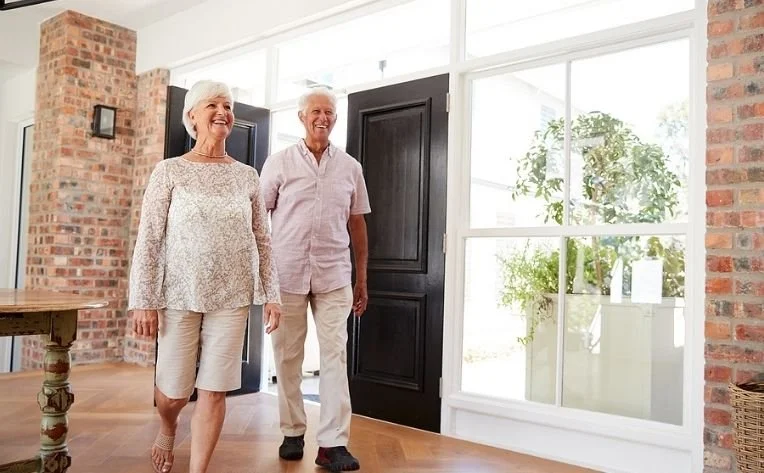
She was proud of her new floors. The living room glowed with oak, the kitchen shimmered with tile, and the hallway gleamed with fresh laminate. But a week after installation, she noticed something small — almost invisible. Each doorway had a thin ridge where one surface met another. She ignored it at first, thinking it was just part of the design. But soon, her mother caught her walker on one of those ridges and stumbled. “It’s just a tiny bump,” she said afterward, brushing off the fright. Yet that tiny bump changed how everyone moved through the house.
That is how accessibility begins to erode — not through grand mistakes but through small oversights. A flooring transition that looks harmless can interrupt movement, create tripping hazards, and even lead to injury. For people with mobility challenges, those subtle changes in height or texture can feel like hidden walls. In accessibility design, smoothness is not luxury; it is safety. And safety is what allows dignity to stay at home.
The Hidden Power of Smooth
Floors are the foundation of every home, yet few people think about how their surfaces communicate. A truly accessible floor speaks quietly, guiding the body without asking for attention. When that flow is disrupted by bumps, thresholds, or uneven joints, movement becomes cautious. The body tenses before each step.
An occupational therapist explained it best: “When people have to look down to walk, they stop feeling at home.” That sentence captures why flooring transitions matter so deeply. Smooth flooring lets the eyes rise again, restoring confidence.
Accessibility, at its heart, is not about appearance but experience — how it feels to move without thinking.
The Problem with Perfection
Ironically, flooring transitions often happen in the name of perfection. Homeowners want beautiful materials that suit each room: hardwood in the living area, tile in the kitchen, carpet in the bedroom. Installers then bridge these differences with narrow strips or raised thresholds to cover seams.
A builder once said, “We do it to make it look clean, not realizing it breaks the flow.” For people using mobility devices, these small breaks are anything but clean. A quarter-inch ridge can stop a wheelchair’s front caster. A beveled strip can catch a cane tip. The result is a jolt of imbalance that transforms beauty into danger.
Design should never look finished at the cost of safety.
When the Floor Talks Back
A man recovering from a stroke said, “I started walking again in rehab, but when I got home, the floor became my enemy.” His physical therapist noticed he hesitated at every doorway. The transitions between laminate and tile were slight but disruptive enough to throw off his rhythm. After replacing them with flush joints, he said, “It feels like my house stopped talking back.”
That statement reveals something profound about accessible design. Good floors are silent partners. They cooperate. They let motion continue without asking for permission.
When the ground itself feels predictable, the body relaxes into freedom.
The Cost of Caution
Even when flooring transitions do not cause actual falls, they cause hesitation. Every pause to navigate a bump adds mental fatigue. Over time, that fatigue turns into avoidance. People stop using certain rooms or paths because of the effort it takes to cross them.
A woman admitted she stopped entering her sunroom because the small metal strip at the doorway caught her shoe every time. “I thought I was just being lazy,” she said, “but really, I was scared.”
Accessibility is as much psychological as physical. Removing barriers means removing worry.
The Importance of Level Planning
The best flooring transitions begin long before installation — in the planning stage. Coordinating material thicknesses ensures that surfaces meet evenly. Tile, hardwood, and vinyl all have different base heights, but with the right underlayment, they can align perfectly.
A contractor who specialized in accessible construction said, “It is all about preparation. You cannot fix uneven floors after the fact without compromise.”
Homes built or remodeled with accessibility in mind treat every material as part of one conversation rather than separate voices shouting for attention.
The Role of Materials
Different flooring materials change traction, sound, and comfort. Carpet cushions the feet but resists wheelchairs. Tile stays cool but can feel slippery when wet. Vinyl or engineered wood often provide the best balance — firm, consistent, and easy to clean.
When mixed materials are necessary, using flush reducers or seamless edges preserves flow. A man who replaced his raised threshold with a flush vinyl strip said, “You would never notice it unless you were looking for it, and that is the point.”
Accessibility succeeds when no one can tell where it begins or ends.
Small Heights, Big Consequences
To most people, a one-quarter-inch difference means nothing. But to a walker, it means resistance. To a wheelchair, it means inertia. And to someone with neuropathy or vision loss, it means risk.
A safety inspector once explained, “Most of the falls I investigate start where one floor meets another. The person expects stability and gets surprise instead.”
Even small surprises can break trust. A home should be predictable in the most comforting way possible.
The Problem of Expansion Strips
Wood floors expand and contract with temperature and humidity. To prevent buckling, installers leave small gaps filled with transition strips. Unfortunately, those strips often become raised or loose over time.
A woman described hearing a click under her walker each time she passed the living room doorway. “It sounded harmless until one day it shifted under me.” Her flooring company replaced the strip with a flexible expansion joint that sat flush with both surfaces. “Now it is quiet again,” she said.
Quiet floors are confident floors.
Light and Perception
Lighting influences how people perceive floor changes. Shadows across thresholds can exaggerate small ridges, making them seem like steps. For people with depth-perception issues, this visual distortion causes uncertainty and missteps.
A homeowner said, “When the sun hit my hallway, I thought there was a hole in the floor.” Adding soft, even lighting removed the illusion and restored calm.
A level floor should not only be physically smooth but visually trustworthy.
Transition Strips that Work
When transitions cannot be avoided, they should be designed for inclusion. Wide, flat strips with gradual slopes maintain accessibility while protecting flooring edges. Rubber or vinyl options blend better with flooring than metal and reduce noise.
A builder shared, “We now use recessed transitions wherever possible. They look sleek and feel invisible.” That invisibility is the goal. Accessibility should feel effortless, not engineered.
Smooth movement should belong to everyone who enters.
The Hidden Dangers of Rugs and Mats
Even when floors themselves are level, rugs can reintroduce barriers. Decorative mats at doorways often bunch up or curl at the edges. For wheelchairs and walkers, these small lips create friction. For individuals with visual impairments, rugs that blend into flooring create dangerous illusions.
A woman who fell near her front door said, “The rug was thin but deadly.” She replaced it with a recessed entry mat flush with the floor. “Now it feels like part of the design instead of something on top of it.”
Elegance never requires risk.
Seasonal Expansion and Maintenance
Temperature and humidity changes cause materials to shift slightly, which can recreate unevenness even after perfect installation. Regular checks ensure that transitions remain flush.
A homeowner who performed seasonal maintenance said, “Every spring and fall, I run my hand along the floors. If I feel a ridge, I fix it before it becomes trouble.”
Accessibility maintenance is an act of care — quiet, consistent, and full of awareness.
Flooring Choices That Support Healing
For individuals recovering from surgery or illness, floor transitions play a key role in rehabilitation. Therapists often recommend smooth, continuous surfaces to rebuild gait confidence.
A physical therapist said, “Healing depends on trust — trust in your body and trust in your environment. When patients know the floor will not surprise them, they walk farther.”
That principle extends to everyone. A safe floor encourages motion, and motion sustains life.
Designing with the Future in Mind
Families who design homes for long-term living must anticipate changing mobility needs. Flush thresholds today prevent reconstruction tomorrow. A young couple building their first home decided to make all flooring transitions level. “It didn’t cost more,” they said. “It just took thought.”
Their parents now visit easily, and the couple knows their home will remain adaptable for decades. Accessibility is not an age issue but a design mindset.
Color and Texture as Subtle Guides
For people with low vision, smoothness alone is not enough. Subtle color or texture changes help define spaces safely. A slightly darker tone between kitchen and hallway signals transition without creating obstruction.
A designer said, “The goal is to let people know where they are without needing to stop.” In her projects, she uses tone and texture to communicate movement rather than impede it.
The floor becomes a map written in comfort.
When Pets Add Complexity
Pets add joy to homes but can complicate floor transitions. Bowls, beds, or scratching mats placed near thresholds create sudden hazards. A woman laughed when she said, “I tripped over my dog’s water bowl more times than I can count.”
Moving pet zones away from main pathways keeps mobility routes clear and calm. Accessibility extends to all living creatures — just with a bit of human foresight.
The Role of Professional Insight
While homeowners can make many changes themselves, consulting an accessibility specialist ensures that flooring transitions meet both safety and aesthetic standards. Professionals understand slope ratios, material behavior, and visual harmony.
A contractor said, “The best compliment I get is when clients forget we were ever there.” That invisibility signals success. Accessibility should blend so well into beauty that it becomes part of the story, not a footnote.
The Emotional Impact of Effortless Movement
Freedom at home is often measured not by how far one can travel but by how easily. When the floor flows uninterrupted, the body forgets to fear. People stand taller, breathe deeper, and feel capable again.
A man recovering from an accident said, “I used to think I’d never feel normal at home again. Then one day, I walked from my kitchen to my bedroom without thinking about it. I just lived.”
Smoothness is not a technical detail. It is liberation disguised as flooring.
The Home as a Continuum
Accessible flooring connects not just rooms but lives. It allows children, adults, and elders to share the same space without compromise. It makes caregiving easier and independence sustainable.
A daughter caring for her aging mother said, “The moment we leveled the floors, Mom started moving again. She stopped asking for help. It was like she remembered she could.”
Continuity underfoot becomes continuity of spirit.
Conclusion
Tiny bumps hold big consequences. A home’s safety often depends on what goes unnoticed — the quiet seams where one surface meets another. When those transitions are smooth, life flows. When they are not, independence falters.
At KGC, we believe accessibility should feel natural, not added. From flooring transitions to full-scale home design, our team helps families create spaces that move as gracefully as the people within them. We blend function with beauty, ensuring that every step feels secure, silent, and free.
Because comfort begins where the floor stays kind.
Contact KGC today to learn how smooth flooring design can restore balance, confidence, and ease to every room in your home.
