
Can a Basement Ever Be Truly Accessible
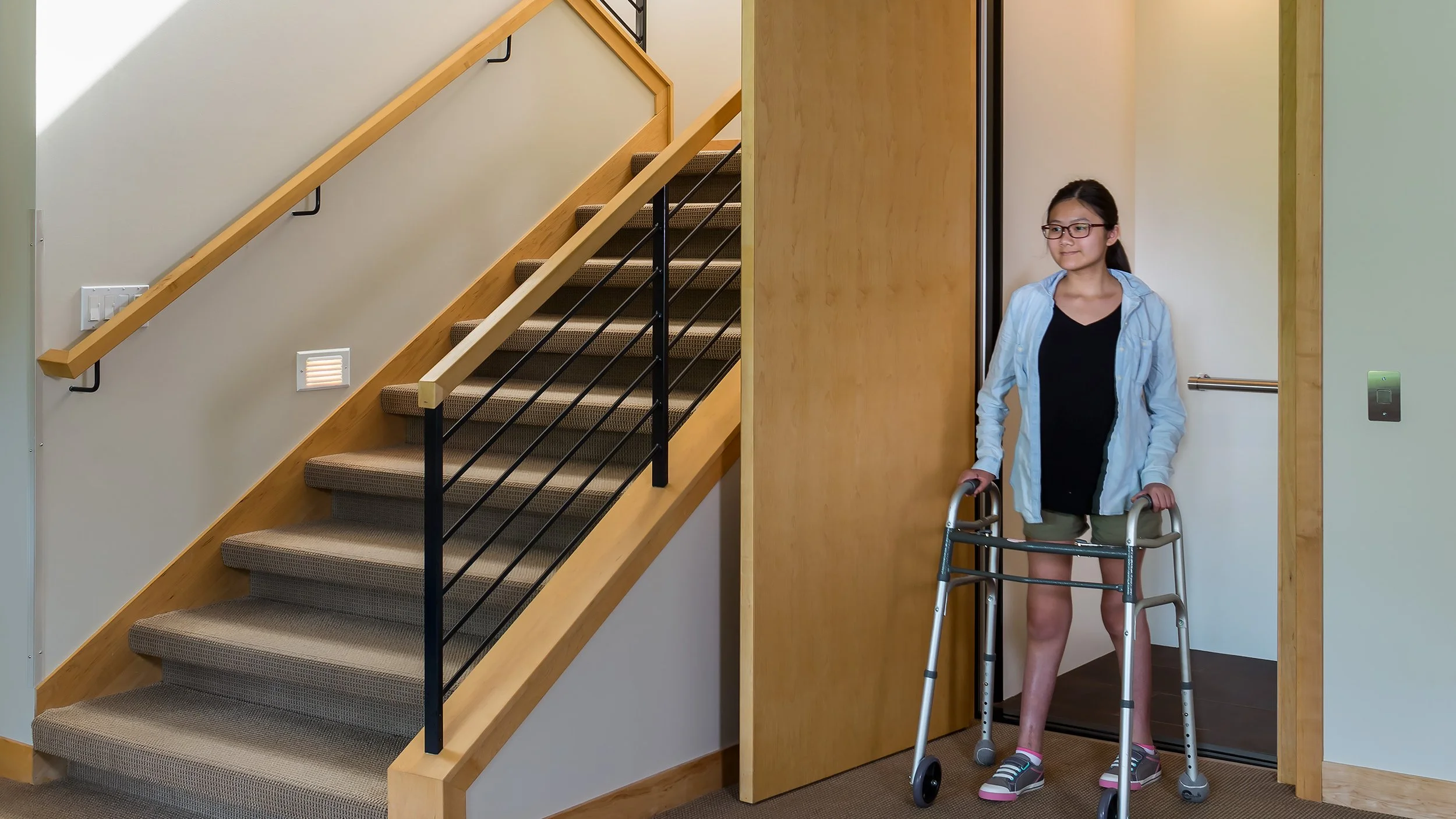
He always loved the basement. It was his quiet space, a place where he kept his tools and old collections, a place where weekend projects waited like familiar friends. But after his surgery, the basement became something different. He stood at the top of the stairs one afternoon, holding the railing with one hand and the wall with the other, and felt the unsettling realization that what once felt comforting now felt out of reach. The steps were steep. The light at the bottom looked faint. The familiar hum of the dehumidifier seemed far away.
He wanted to go down and grab a box of winter clothes, but the idea of navigating those stairs made his chest tighten. He hesitated, then turned away. That moment stayed with him. It was not about the clothes. It was about a space that had been part of his life suddenly feeling foreign. For the first time, he wondered if basements were ever meant for someone whose mobility had changed.
His story reflects a truth that many families encounter. Basements hold storage, family rooms, workshops, offices, laundry machines, and sometimes even bedrooms or guest spaces. Yet basements are often the most inaccessible areas in a home. They hide steep staircases, low ceilings, heavy doors, and tight corners. And most people do not realize how limiting these design choices are until mobility changes, senses shift, or recovery begins.
The question then becomes both practical and emotional. Can a basement ever truly be accessible? Or are there limits that families simply have to accept?
The answer is more hopeful than most people expect. While not every basement can be transformed into a fully accessible living space, many can be significantly improved with thoughtful planning, creative design, and the right mobility solutions.
This article explores the challenges, possibilities, and emotional landscape of making basements safer and more accessible for the people who need them.
Basements Carry the Weight of the Home’s History
Most basements were built during eras when accessibility was not discussed, let alone planned for. Builders tucked basements underground because it was efficient. They created narrow staircases because space was limited. They poured concrete floors without thinking of warmth or softness. They placed utilities in awkward corners because no one expected frequent trips.
These choices were not made with exclusion in mind, but the result often feels that way.
A woman caring for her father said, “The basement was always our storage space. I never realized how much life we had placed out of reach until his mobility changed.”
Families often discover that their most important items live downstairs. Holiday decorations. Heirlooms. Old tax boxes. Tools. Off season clothing. Canning supplies. Childhood memories. But the staircase becomes a physical and emotional wall.
To understand how a basement can be made more accessible, we must first understand the nature of these barriers.
The Staircase as the First and Greatest Obstacle
Basement stairs are rarely designed for easy mobility. Many are steep, narrow, uneven, or poorly lit. Some lack railings on both sides. Some have railings that feel loose or too thin. The steps may be made of wood, cement, or carpet that shifts underfoot. And the bottom landing may require turning the body sharply to avoid hitting a wall or water heater.
For someone with mobility challenges, these design flaws turn each step into a negotiation between balance and risk.
A man recovering from physical therapy said, “Going down the stairs felt like descending into a space that no longer belonged to me.”
That emotional disconnection matters. When someone cannot access part of their home, it reshapes their sense of belonging.
This is the core truth behind accessible basement design: accessibility is not only physical but psychological.
When Elevators Change Everything
One of the most transformative solutions for basement access is a home elevator or a vertical platform lift. While many people assume these installations only belong in large or luxury homes, modern designs are far more flexible. Some elevators can be installed in closets or corners. Others require surprisingly little space and can connect the main floor to the basement without large structural changes.
A family who installed a home elevator shared, “It restored the flow of the house. My father stopped avoiding the basement. He felt included again.”
Elevators allow users to transport laundry baskets, storage bins, or tools without navigating stairs. They remove the fear associated with descent and return. And because they move slowly and steadily, they bring a sense of calm to a part of the home that often feels intimidating.
For many families, elevators are not about luxury. They are about access. And they redefine what is possible in multi level homes.
Vertical Platform Lifts and Enclosed Lifts
When space or budget does not allow for a full elevator, a vertical platform lift can offer a practical alternative. These lifts move between levels without requiring a traditional shaft. They are particularly helpful when the basement entrance is adjacent to a garage or an exterior wall.
One homeowner said, “The platform lift became the bridge between the world upstairs and the space that once felt lost to me.”
Platform lifts remove the physical strain of stairs and allow wheelchair or walker users to move freely. They also help caregivers by reducing the need to assist manually with descent or ascent.
Basements become part of the home again when movement is restored.
Improving the Staircase When Lifts Are Not an Option
Sometimes families prefer to keep the stairs but want to make them safer. A staircase can be dramatically improved through thoughtful upgrades such as widening steps during a remodel, improving treads, adding slip-resistant surfaces, enlarging landings, or installing sturdy railings on both sides.
A woman who renovated her stairs said, “I still could not run down the stairs like before, but I felt secure. That made all the difference.”
Good lighting along the staircase also transforms the experience. Soft, bright illumination removes shadows and reveals edges, helping people with low vision or balance challenges feel more grounded.
These improvements cannot replicate the full safety of a lift, but they can turn a basement staircase from frightening to manageable.
Light, Warmth, and the Psychology of Space
Basements often feel cold or unfinished, which adds to the emotional barrier. When the lighting is dim or the walls are gray concrete, the space feels distant and unwelcoming.
But a well designed basement can feel comfortable, inviting, and safe. Warm lighting, finished walls, bright colors, and thoughtful layout shift the emotional impact of the space.
A man who remodeled his basement said, “It stopped feeling like a place you go down into. It felt like part of our home.”
The idea of accessibility includes emotional comfort. People move more confidently in spaces that feel warm and welcoming.
The Challenge of Low Ceilings
Many basements have ceilings that barely accommodate a standing adult. These low heights create challenges for people using mobility equipment or those who need space to move without bending.
Some families solve this by lowering the basement floor during renovation, though that can be expensive. Others create designated zones where ceiling height is adequate for safe movement. And some choose strategic furniture placement to ensure clear, comfortable pathways.
Ceilings influence not just movement but confidence.
Narrow Pathways and Storage Overload
Basements are often used for storage, which means they fill quickly. Boxes pile up. Furniture gets pushed aside. Tools scatter. Over time, the basement becomes a maze.
For someone with mobility challenges, clutter becomes a major hazard. Narrow pathways prevent walkers from turning. Boxes tripping hazards. Storage shelves placed too high make reaching difficult.
A man said, “It felt like my basement had shrunk because I had filled it without thinking.”
Accessibility thrives when space breathes. Organizing storage with mobility in mind opens the basement to everyone again.
Moisture, Slippery Floors, and Environmental Barriers
Basements often deal with moisture or cooler temperatures, which brings its own set of challenges. Slippery floors increase fall risk. Humidity affects air quality. Sudden temperature changes can be uncomfortable for people with health sensitivities.
A homeowner installed slip resistant flooring and noticed the immediate change. “Walking felt steadier. The room felt safer.”
Good ventilation and dehumidifiers create healthier environments for all users.
The Power of Ramps in Exterior Basement Entrances
Some basements have exterior entrances with steps leading down from the yard. These entrances can become accessible with thoughtful ramp design. A well graded ramp with even surfaces allows smooth movement between levels.
A family who added an exterior ramp said, “Suddenly the basement felt like a second front door.”
Ramps can also allow mobility equipment or storage items to be transported with greater ease, turning the basement into a fully functional part of the home.
Basement Bathrooms and the Importance of Accessibility
When basements contain guest rooms or living spaces, the bathroom becomes crucial. Narrow doors, small showers, and unreachable fixtures can turn a basement suite into an unusable space.
Upgrading to wider doors, curbless showers, reachable faucets, and supportive grab bars creates safety and independence.
A homeowner said, “It was the bathroom renovation that made the basement feel truly inclusive.”
Bathrooms carry a large emotional weight, and when accessible, they bring dignity.
When the Basement Becomes a Living Space
Many families hope to transform their basement into a place where loved ones can live comfortably. Whether it is an in law suite, a guest room, or additional living space, accessibility becomes essential.
Creating smooth flooring, reachable outlets, open layouts, and comfortable lighting ensures the basement feels integrated with the rest of the home.
A woman who built a basement apartment for her father said, “He felt independent but not isolated. That balance mattered more than anything.”
The goal is not just access but belonging.
The Emotional Journey of Making the Basement Accessible
For many people, the basement holds memories, hobbies, or meaningful belongings. Losing access can feel like losing part of themselves.
One man said, “The basement was my workshop. When I could not go down there anymore, I felt like I lost a part of my identity.”
Designing an accessible basement journey is not just a project. It is a restoration of identity. It allows people to reconnect with the parts of life that bring purpose and joy.
Accessibility becomes a bridge between who someone was and who they still want to be.
Conclusion
Basements are full of history, utility, and potential, yet they are often the most overlooked areas when it comes to accessibility. Stairs challenge balance. Low ceilings limit movement. Narrow pathways cause strain. Storage piles create barriers. And emotional weight builds when a beloved space becomes unreachable.
But accessibility is not an all or nothing achievement. With lifts, ramps, renovated staircases, better lighting, organized layouts, and thoughtful design, basements can become safe, comfortable, and welcoming again.
At KGC, we approach basement accessibility with a belief that every level of a home should support freedom, dignity, and ease. Our team works alongside families to uncover possibilities, offering solutions that fit the home, the user, and the rhythm of daily life. With the right design, a basement can shift from forgotten or feared to functional and meaningful once again.
To explore what basement accessibility could look like in your home,
connect with us at KGC’s Contact Page.
